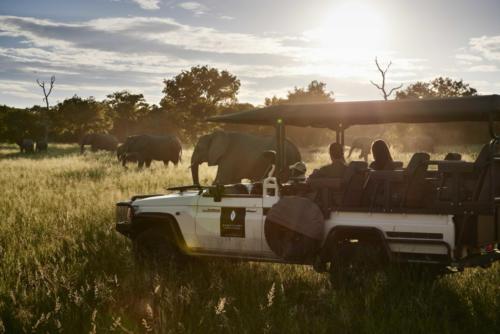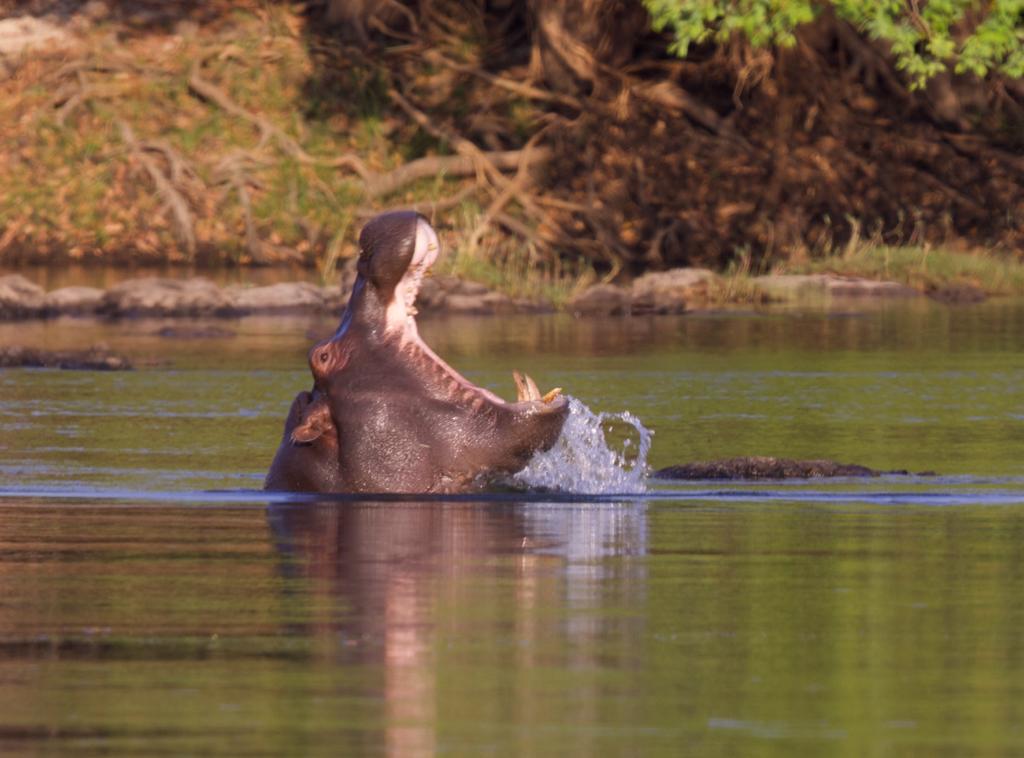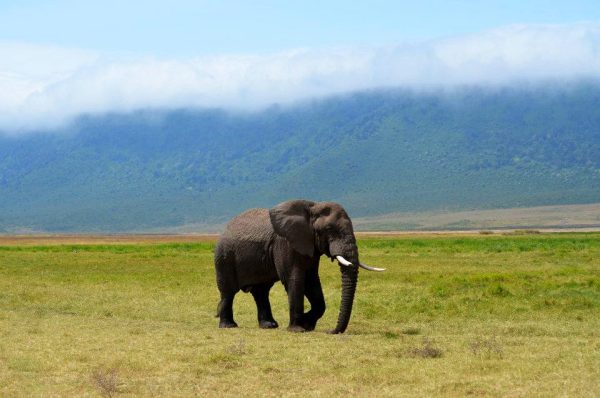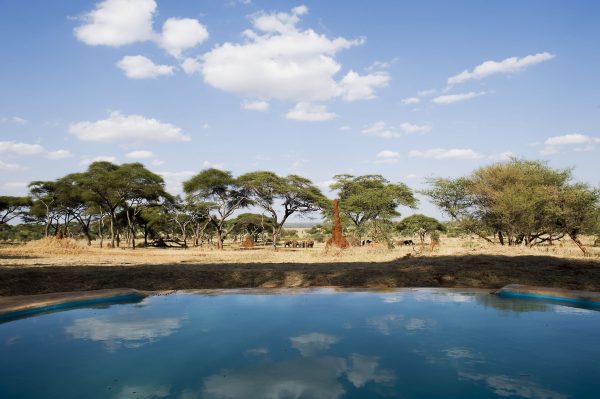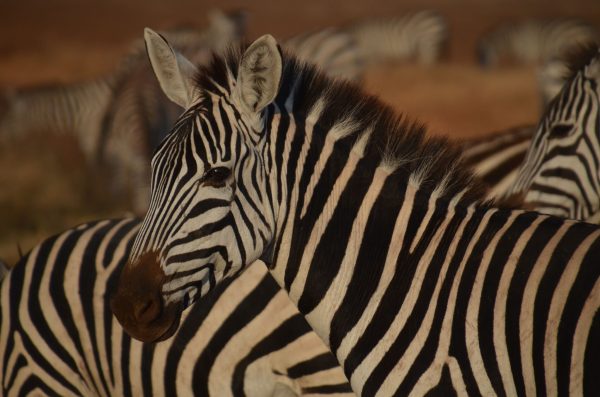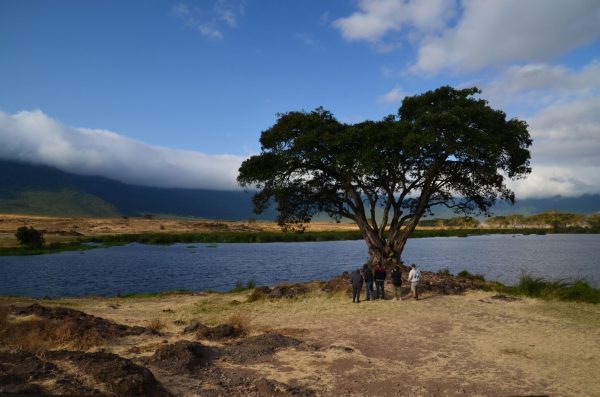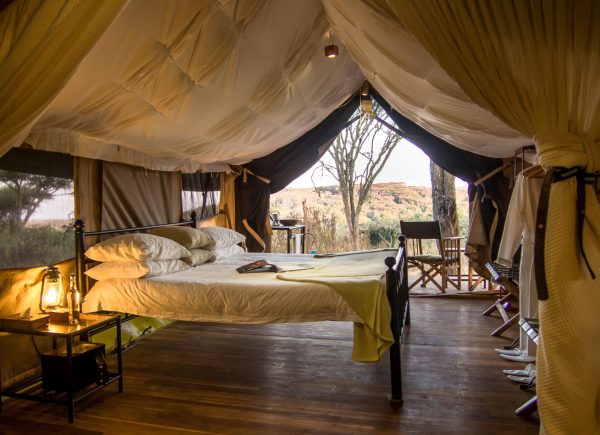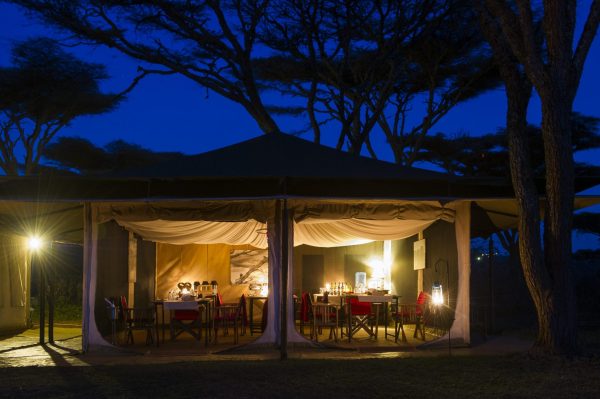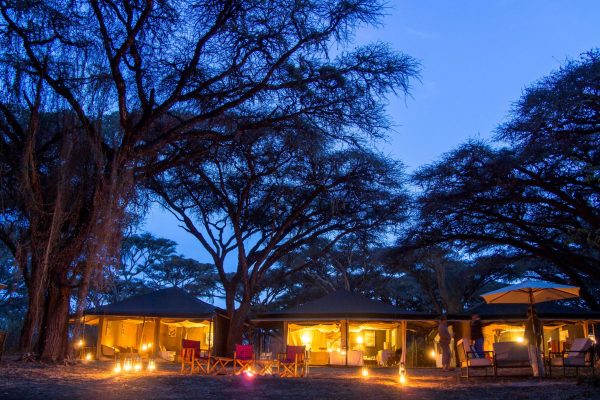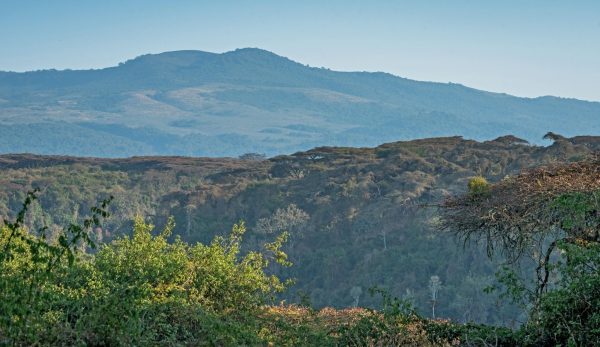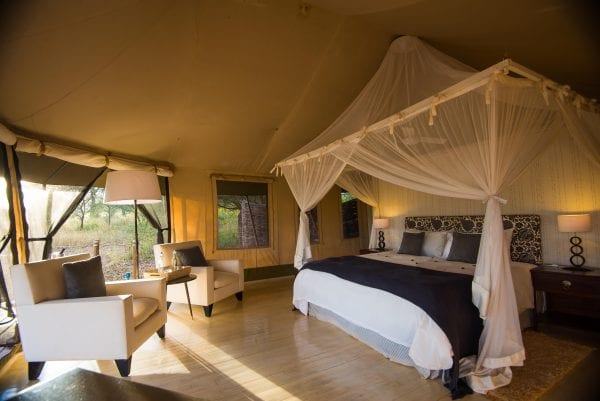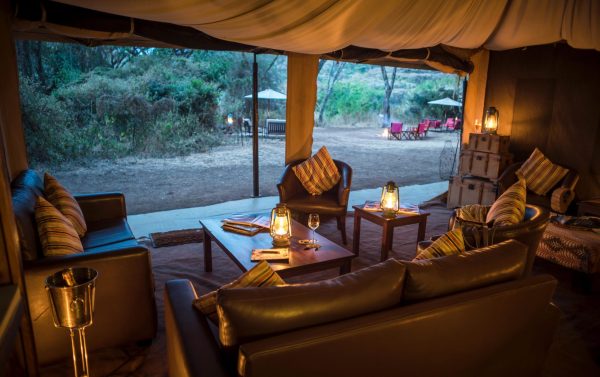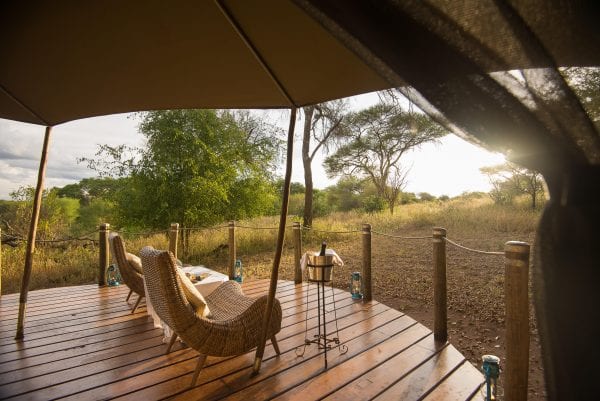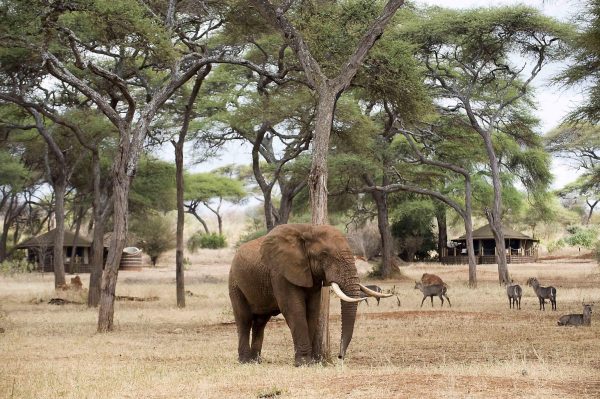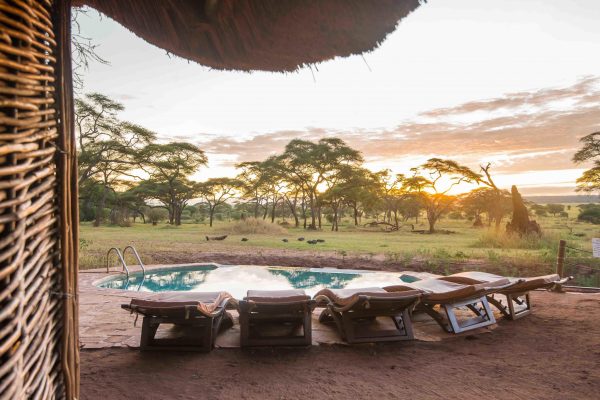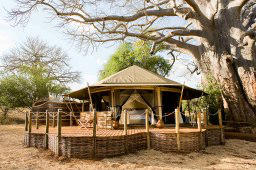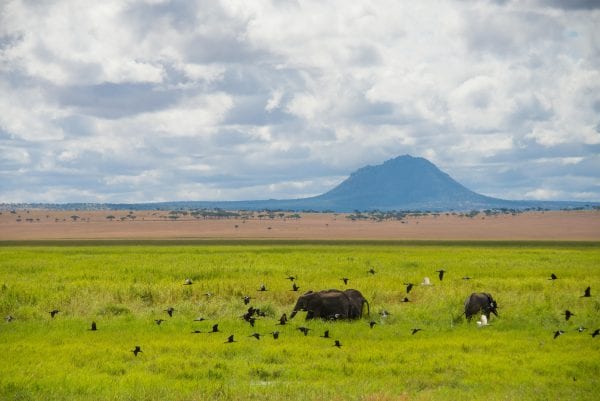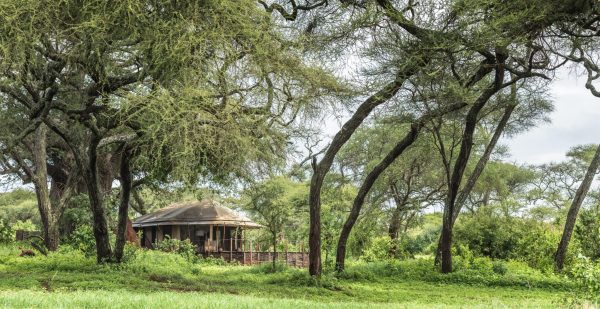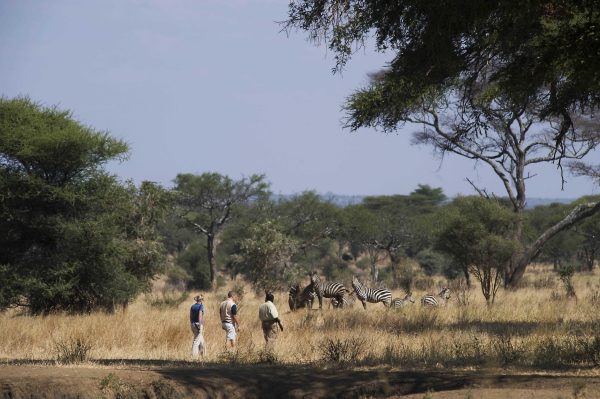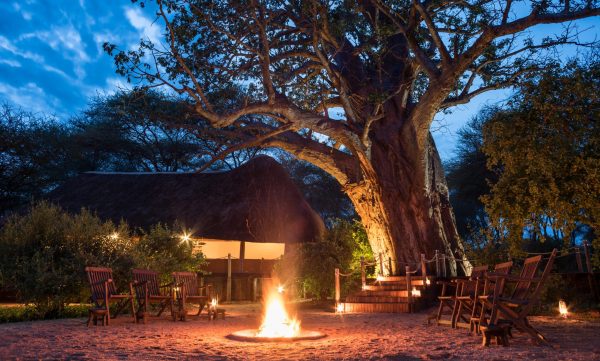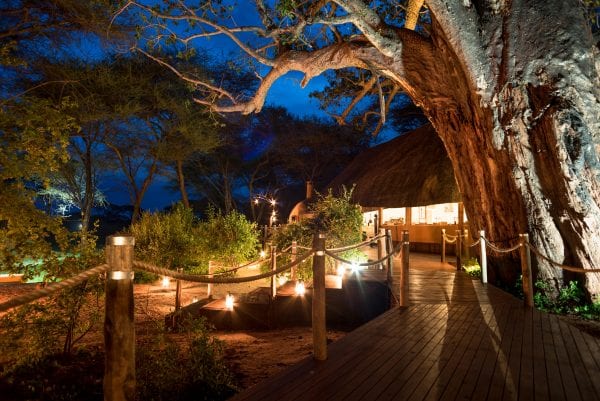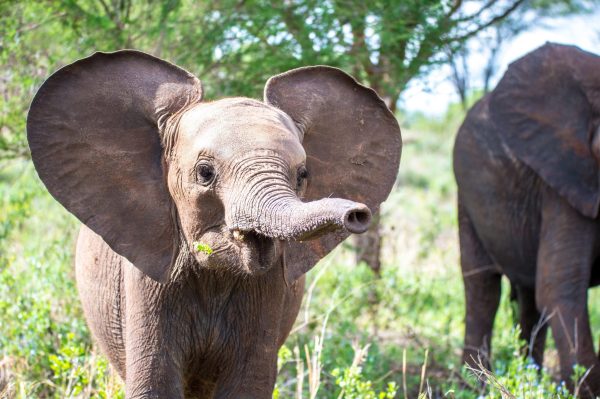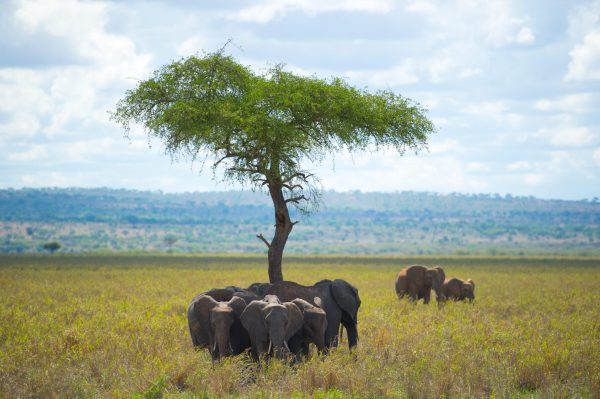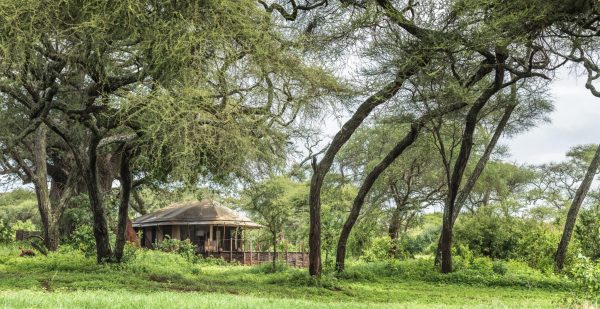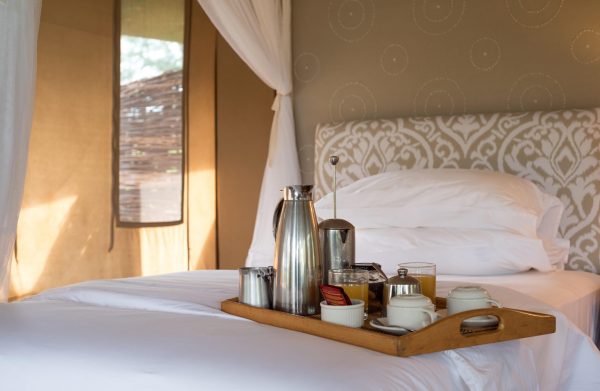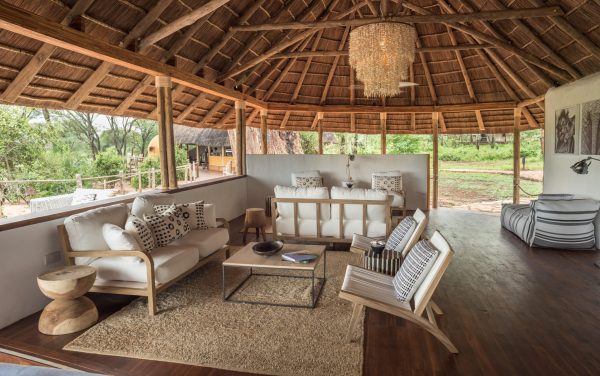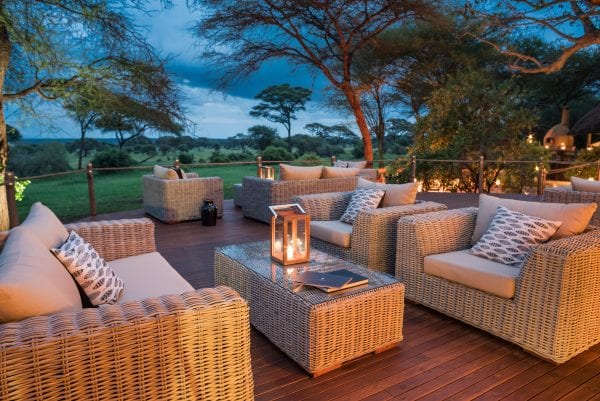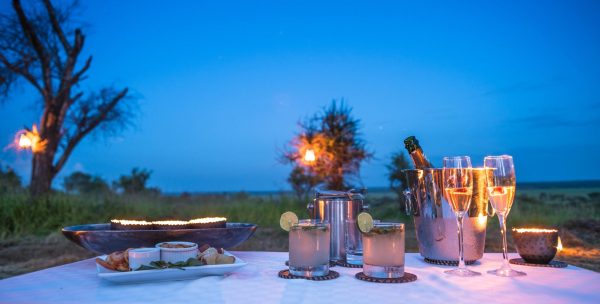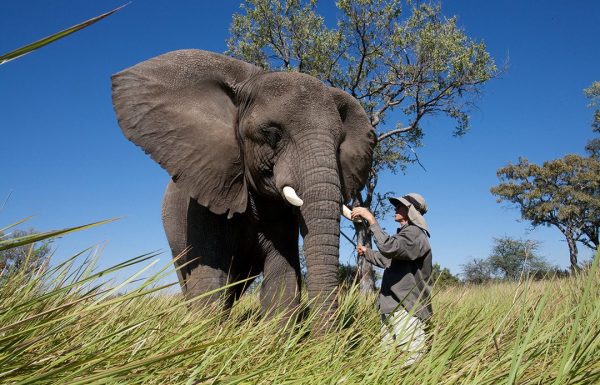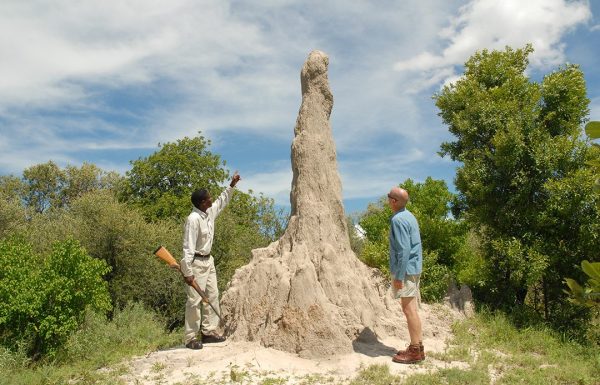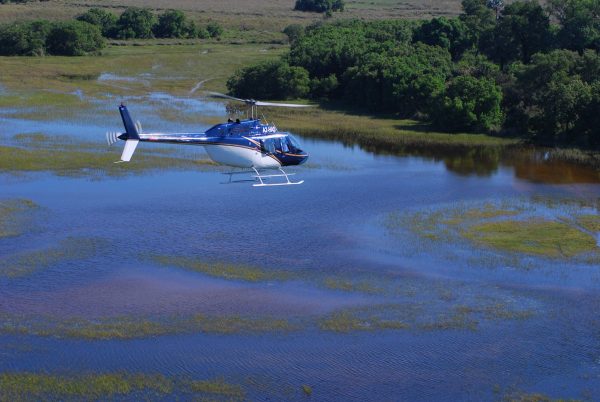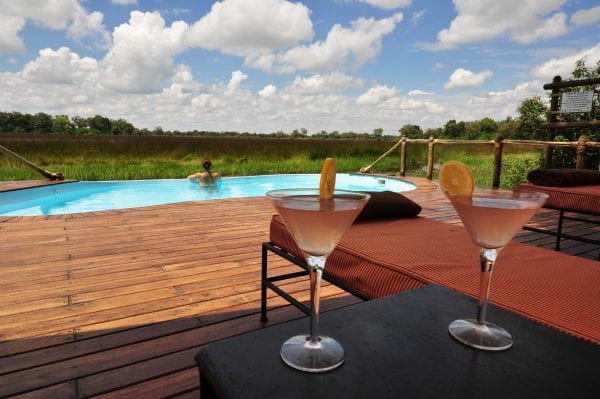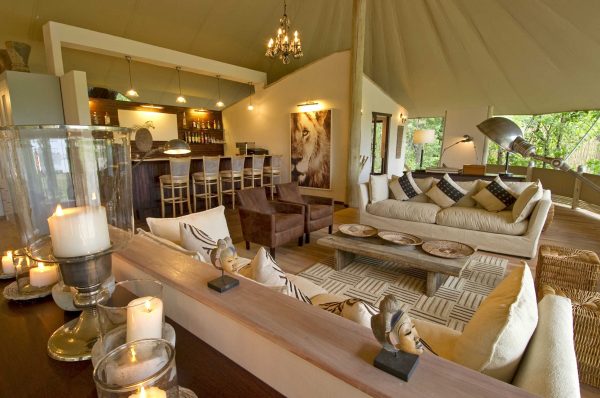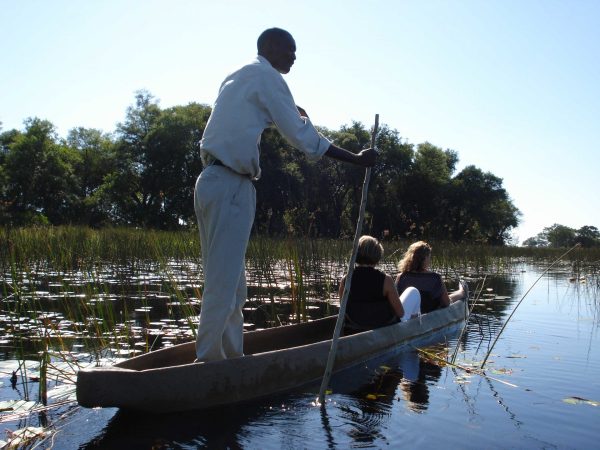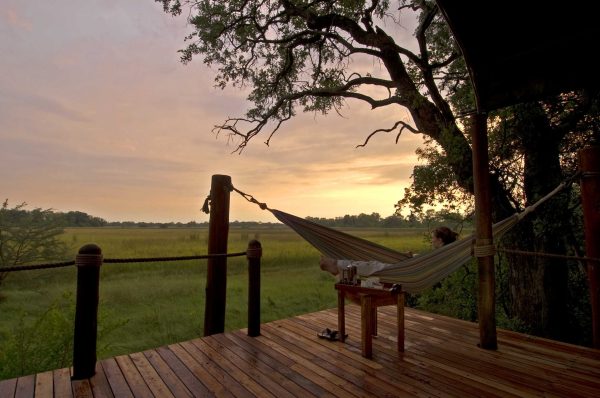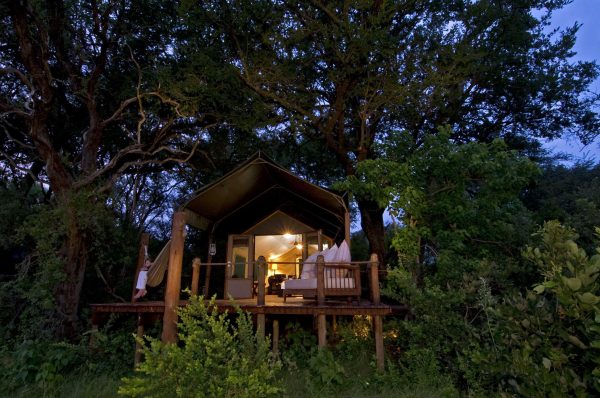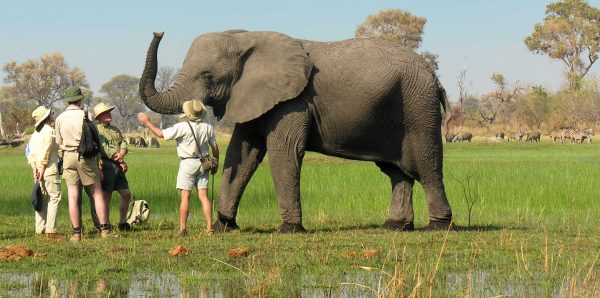
A country with epic topography, Tanzania is a wilderness and wildlife extravaganza. This vast and sparsely-populated country hosts some of the greatest wildlife experiences on Earth. From the snow-capped summit of Mount Kilimanjaro to the game-rich Ngorongoro Crater, from the endless plains of the Serengeti to the baobabs of the Tarangire, Tanzania is the safari insider’s hot tip. Boasting 14 national parks and numerous game reserves, this is home to the largest wildlife herds on the African continent, as well as the palm-fringed island of Zanzibar, ideal for post-safari relaxation.
With its incredible diversity of landscapes and some of the highest concentrations of wildlife in the world – it’s no surprise that Kenya is where the concept of safari was born. Kenya is home to some of the best national parks and game reserves in Africa with diverse ecosystems, including Amboseli, Tsavo, Samburu and Meru. The jewel in its crown is the Masai Mara, the stage for the annual wildebeest migration when over two million wildebeest and zebra move between the Masai Mara and the Serengeti in Tanzania in search of greener pastures.

Nairobi – Amboseli National Park – Ngorongoro Crater – Serengeti National Park – Masai mara National Park
You will arrive at Kilimanjaro International Airport, clear customs and immigration before moving to the arrivals lounge where you will meet your Guardian Angel and driver and transfer to your accomodation.
Gold Private: Siringit Villa
Gold Shared: Arusha Coffee Lodge
Gold Private: Entamanu Private – Breakfast, lunch & dinner included
Gold Shared: Sanctuary Ngorongoro Crater Camp – Breakfast, lunch & dinner included
Today, explore the world’s largest unbroken caldera the Ngorongoro Crater on a full day game drive with a picnic lunch.
Your game drive today will be like no other as you visit one of the most dramatic safari destinations in Africa, the Ngorongoro Crater. Descend to the crater floor in search of the Big Five with the forest-covered crater walls surrounding you, creating stunning backdrops for all of your wildlife photographs.
Gold Private: Entamanu Private – Breakfast, lunch & dinner included
Gold Shared: Sanctuary Ngorongoro Crater Camp – Breakfast, lunch & dinner included
Today, fly to Serengeti National Park and transfer to your home for the next three nights.
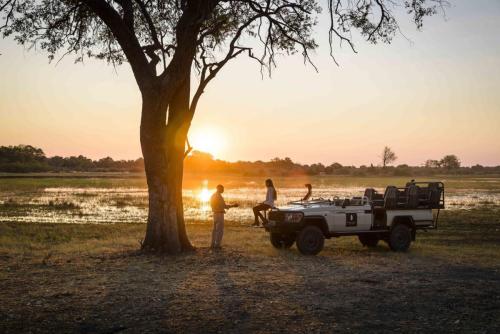
This afternoon, venture out into the Serengeti’s game filled savannah for an afternoon game drive. Driving through the Serengeti in late afternoon light provides the perfect opportunity to capture some magical wildlife photographs. As the light fades return to your lodge for dinner.
Gold Private: Mkombe’s House – Breakfast, lunch & dinner included
Gold Shared: Sanctuary Kichakani – Breakfast, lunch & dinner included
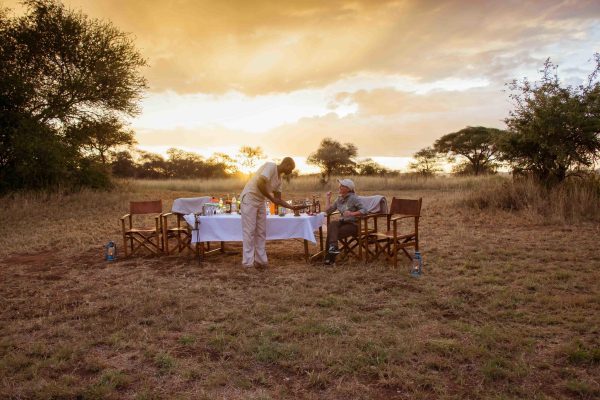
Spend your day exploring the extensive plains of the Serengeti in search of the ‘Big 5’. If you would like to maximise your time game viewing you can take a picnic lunch out into the park and enjoy a meal out in the vast savannah before returning to your lodge later in the day.
Gold Private: Mkombe’s House – Breakfast, lunch & dinner included
Gold Private: Sanctuary Kichakani – Breakfast, lunch & dinner included
Today fly to the Masai Mara and transfer to your home for the next three nights.
The Masai Mara plays host to the most spectacular array of wildlife. 1,510 square kilometres (583 square miles) of broad biscuit-coloured savannah sprawls as home to huge numbers of birds (almost 600 species) and animals and is adjacent to the enormous expanse of the Serengeti; the two make up the most diverse ecosystem on the continent.
Gold Private: Akorn Exclusive Mara Camp – Breakfast, lunch & dinner included
Gold Shared: Sanctuary Olonana – Breakfast, lunch & dinner included
Explore the Mara on morning and afternoon game drives. You have the opportunity to visit a Masai village to see how this iconic community lives.
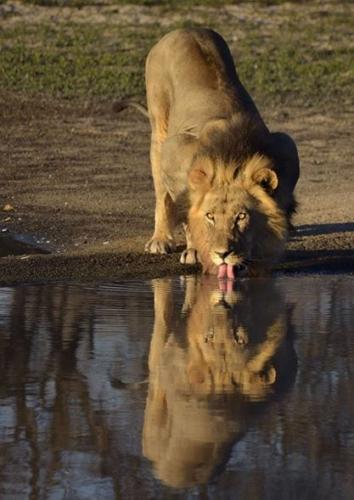
Game viewing is never dull in the Mara, and patience is often rewarded with unique sightings: a pride of lion stalking their prey; a solitary leopard retrieving its kill from the high branches of an acacia tree; male wildebeest sparring to attract females into their harem; or even a herd of elephant protecting their young from opportunistic predators.
Gold Private: Akorn Exclusive Mara Camp – Breakfast, lunch & dinner included
Gold Shared: Sanctuary Olonana – Breakfast, lunch & dinner included
This morning, fly to the Ol Pejeta Conservancy where you will be met by your driver guide and transferred to camp. After lunch, head out on an afternoon game drive.
Gold Private: Akorn Exclusive Ol Pejeta Camp – Breakfast, lunch & dinner included
Gold Shared: Sanctuary Tambarare – Breakfast, lunch & dinner included
Set off on a full day game drive in the Ol Pejeta Conservancy.
Situated between the foothills of the Aberdares and the picturesque Mount Kenya in Laikipia, Ol Pejeta is a private wildlife conservancy located on a 90,000 acre ranch in Central Kenya. The conservancy has a strong commitment to endangered species and boasts the largest black rhino sanctuary in East Africa. Ol Pejeta is also home to all the members of the Big 5, the endangered white rhino, the Jackson hartebeest, the spotted hyena among many other wildlife species. It also plays host to the largest chimpanzee sanctuary in Kenya.
Gold Private: Akorn Exclusive Ol Pejeta Camp – Breakfast, lunch & dinner included
Gold Shared: Sanctuary Tambarare – Breakfast, lunch & dinner included
After a leisurely breakfast drive back to Nairobi, there is some time for shopping in the afternoon before catching the international flight home.

BEST TIME TO TRAVEL
BEST TIME TO TRAVEL
BEST TIME TO TRAVEL
Tanzania’s currency is the shilling. Notes are issued in denominations of 500, 1000, 2000, 5000 and 10000 shillings. Coins are issued in denominations of 10, 20, 50, 100 and 200 shillings, although the first two are seldom used. The local currency you may need during your stay in Tanzania should be obtained at authorised facilities such as banks and foreign exchange bureaus. US Dollars and British Pounds can also be exchanged at the airport on arrival. It is very difficult to exchange the shilling outside of Tanzania so we recommend that you change only as much as you will need. Major credit cards are accepted at most outlets in Tanzania. At some of our Sanctuary Retreats camps in Tanzania, we accept Visa, MasterCard or Amex, as well as cash.
If you enjoyed your stay with us the guidelines below can be used as a reference. Tipping is a very personal matter and it is not included for staff at our lodges and camps.
Tanzania has a tropical climate which is mainly characterised by warm days and cool evenings. December to March are usually the warmest months of the year, while June to August are the coolest. April and May often see intermittent rains, and from September to November the days are warm with short scattered rains falling in November.
GMT + 3 hours.
Tanzania’s official language is Swahili.
Travellers should check for visa requirements pertaining to their citizenship, as entry requirements vary between countries. All travellers, however, must be in possession of a passport with at least six months of validity left beyond the intended departure date from Tanzania.
For more information on Tanzania travel please visit http://tanzaniatourism.go.tz/en
The Kenyan shilling is divided into 100 cents. Notes are issued in denominations of 50, 100, 200, 500 and 1000 shillings. Coins are issued in denominations of 1, 5, 10, 20 and 40 shillings. 50 cent coins are available, but not commonly used.
The local currency you will need during your stay in Kenya should be obtained at authorised facilities such as banks and foreign exchange bureaus. Currency can also be exchanged at the Nairobi Airport on arrival. It is very difficult to exchange the shilling outside of Kenya so we recommend that you change only as much as you will need. Major credit cards are accepted at most outlets in Kenya. At Sanctuary Olonana we accept Visa, MasterCard or Amex, as well as cash and travellers cheques, and cash at our camp sites.
Tipping is not obligatory general suggestions are as follows: $15 per guest per day for the guide and $15 per guest per day for the rest of the staff.
The climate in Kenya is mainly characterised by warm days and cool evenings. December to March are usually the warmest months of the year, while June to August are the coolest. April and May often see intermittent rains, and from September to November the days are warm with short scattered rains falling in November.
GMT + 3 hours.
Kenya’s official languages are Swahili and English.
The South African immigration department has expressed concern about the growing issue of global child trafficking and announced new requirements for adults travelling with children under the age of 18, which will take effect from 1 June 2015.
Parents travelling with children would now be requested to provide an unabridged birth certificate (including the details of the child’s father as well as the mother) of all travelling children. This applies even when both parents are travelling with their children. When children are travelling with guardians, these adults are required to produce affidavits from parents proving permission for the children to travel. The above applies to foreigners and South Africans travelling to or from South Africa as well as travellers in transit.
For more information on Kenya travel please visit http://ktb.go.ke/
Travellers should check for visa requirements pertaining to their citizenship, as entry requirements vary between countries. All travellers, however, must be in possession of a passport with at least six months of validity left beyond the intended departure date from Kenya.
• Foreign visitors may be required to obtain a visa to enter Kenya.
• Please visit http://www.kenya.visahq.com for a full list of nationalities which require visas for entry into Kenya.
• Passports must be valid for at least 6 months beyond the completion of this trip.
• Please Note that immigration requires you to have two blank pages in your passport per entry; without this you will be denied entry.
• International Departure Tax is required by all passengers departing from Kenya. In most cases the tax is included in your international air ticket. If tax has not been included then it must be paid at the airport prior to departure.
Rates are per person twin or double share.
January, February & March
Gold Private – $33,503 USD
Gold Shared – $17,696 USD
April & May
Gold Private – $27,140 USD
June, July, August, September & October
Gold Private – $33,503 USD
Gold Shared – $21,418 USD
November
Gold Private – $33,503 USD
Gold Shared – $16,428 USD
December
Gold Private – $33,503 USD
Gold Shared – $21,418 USD