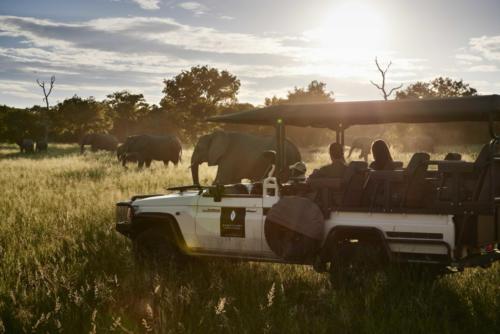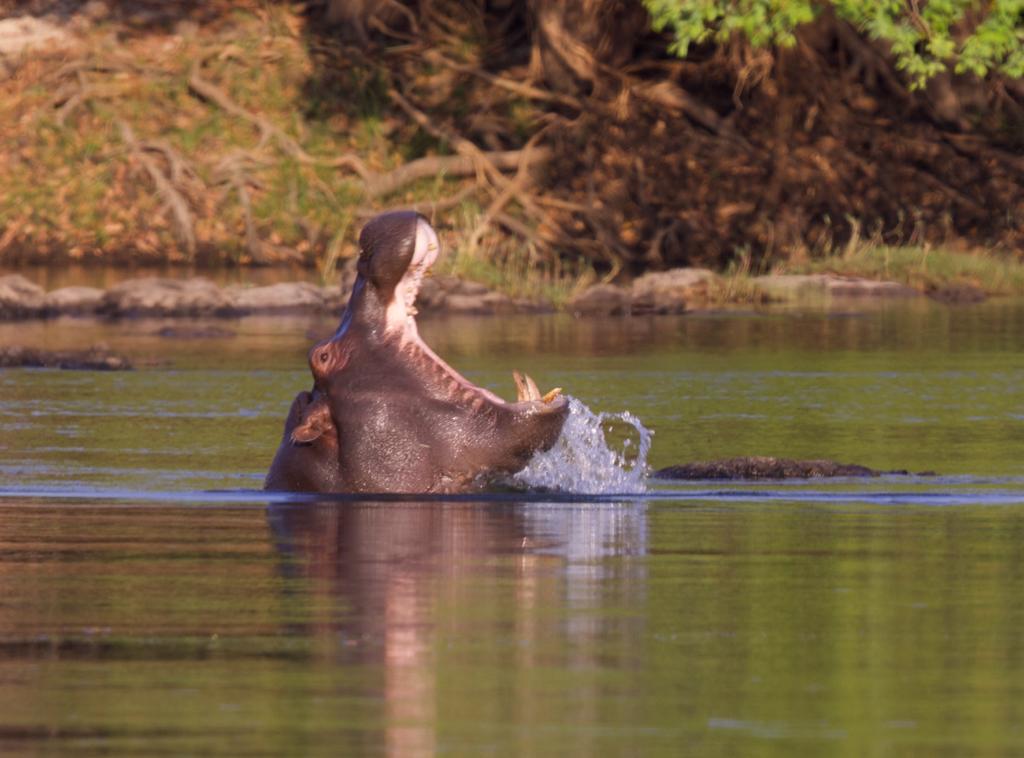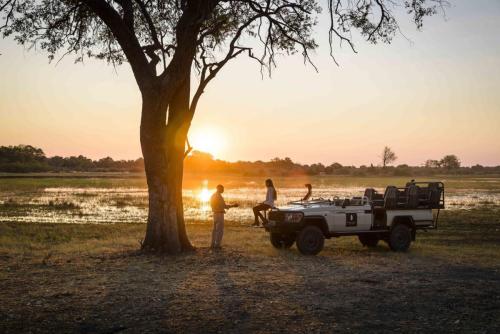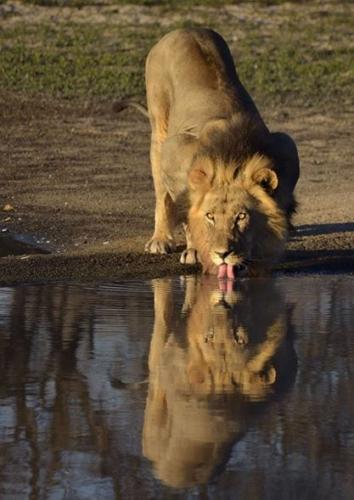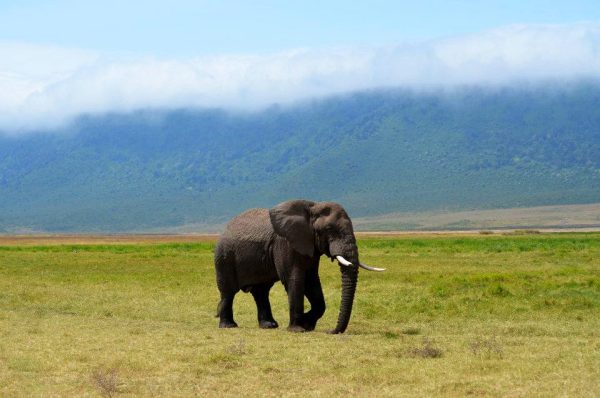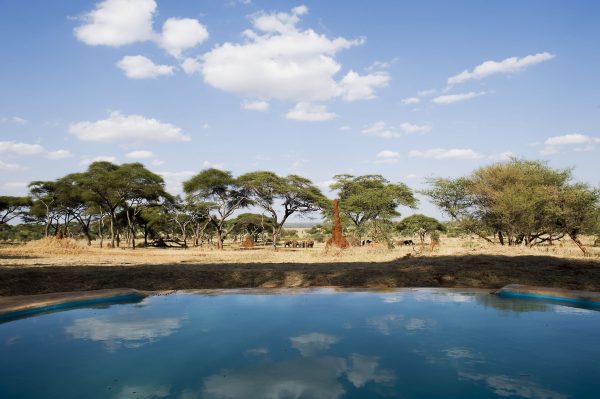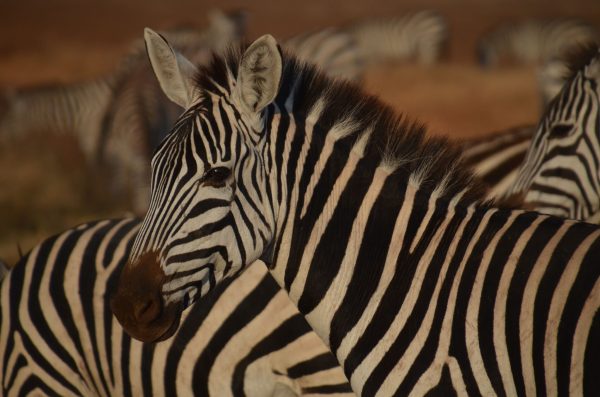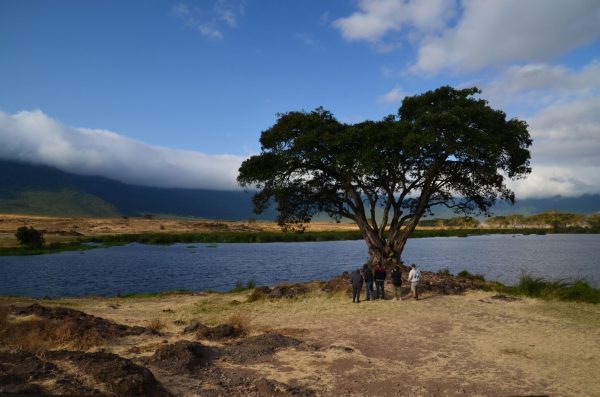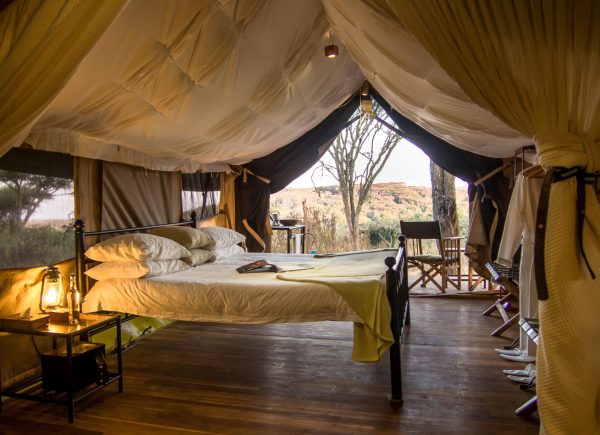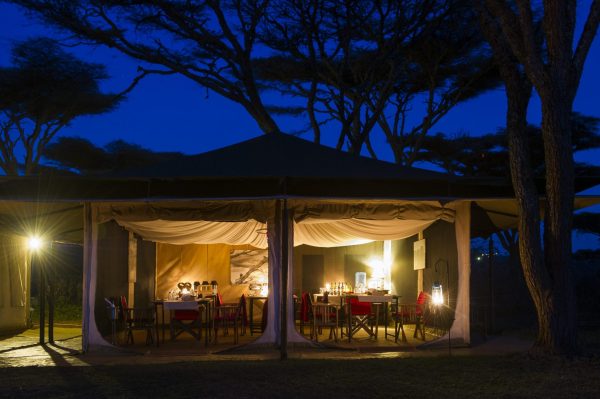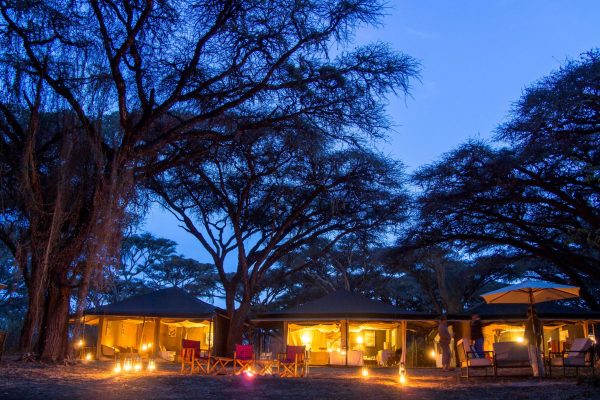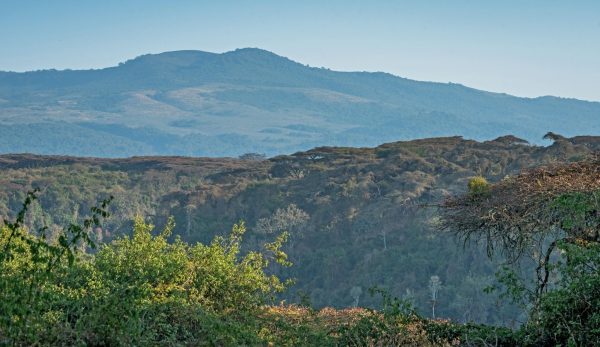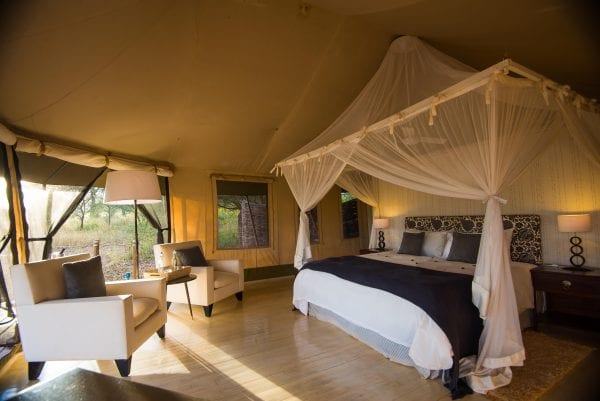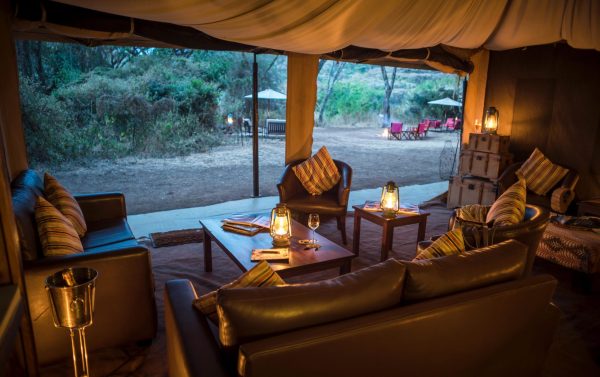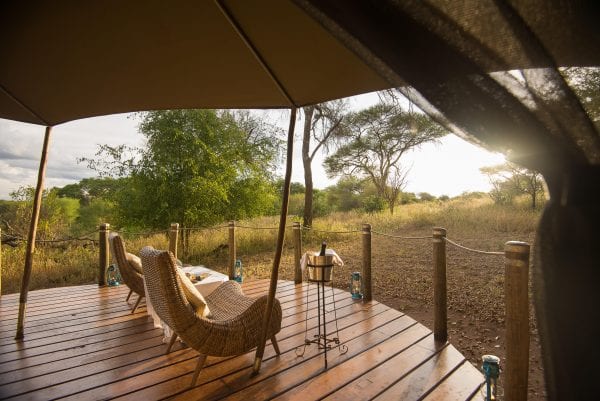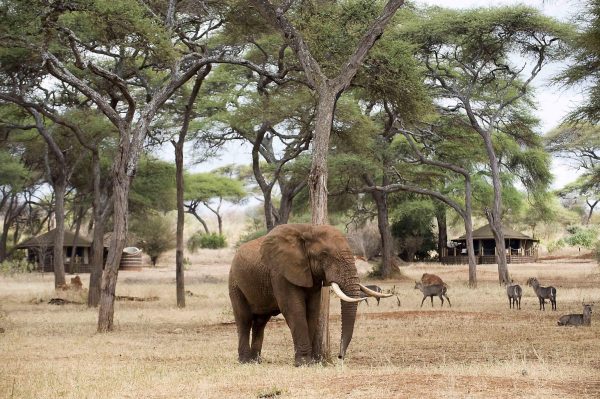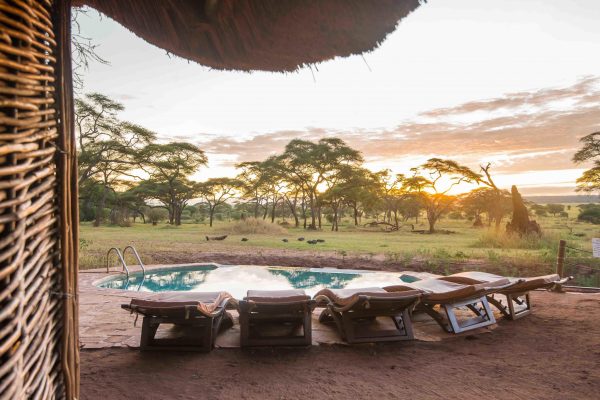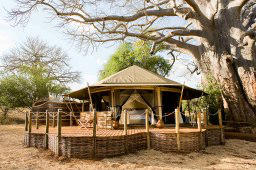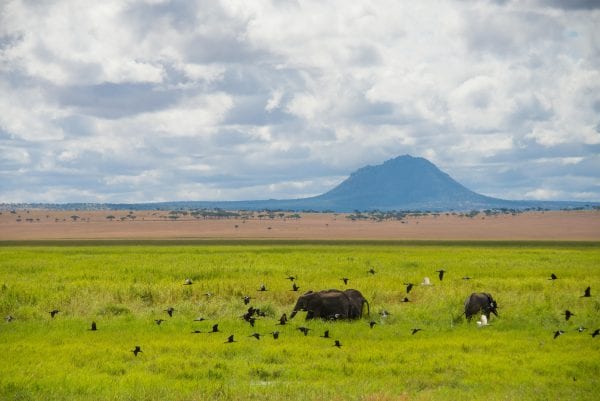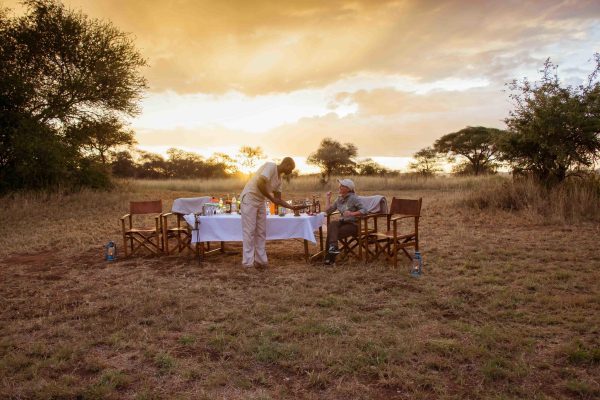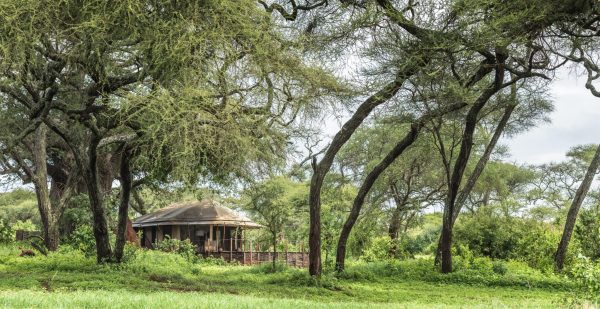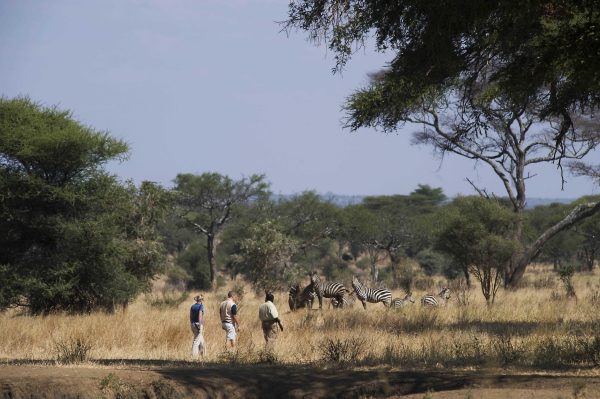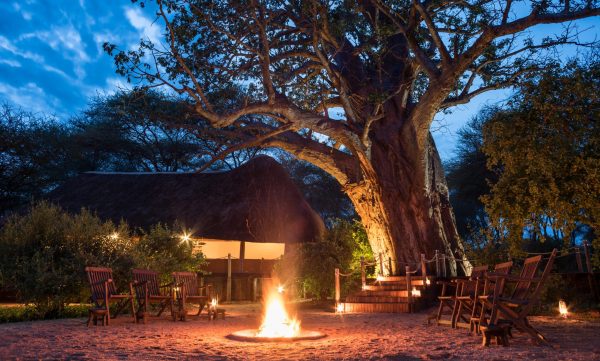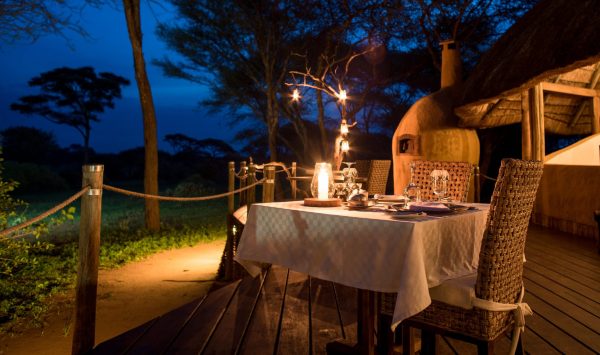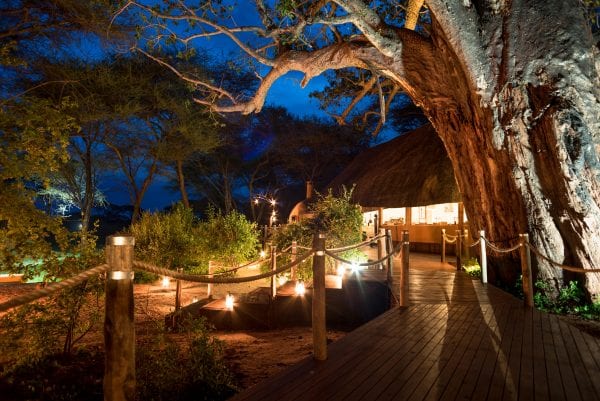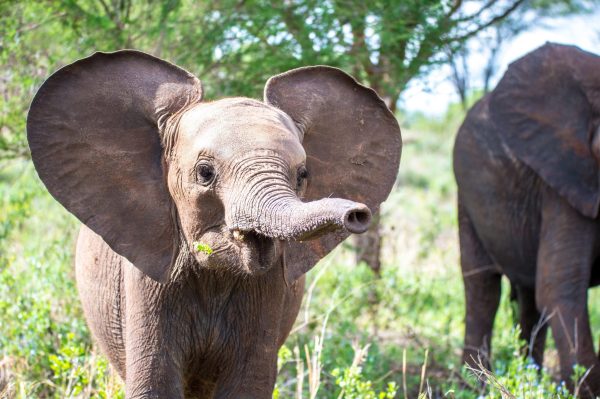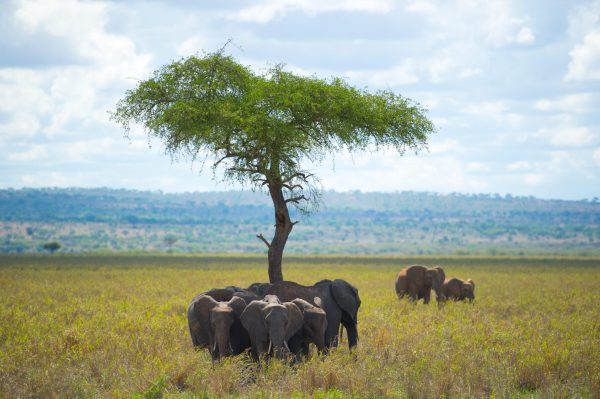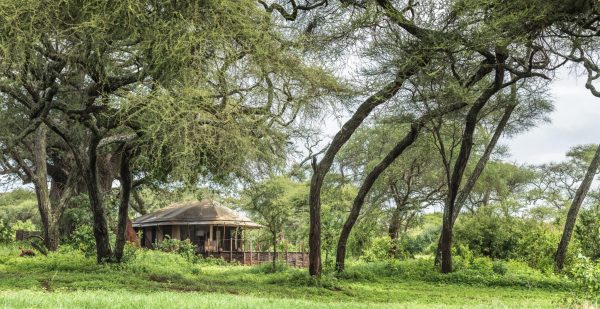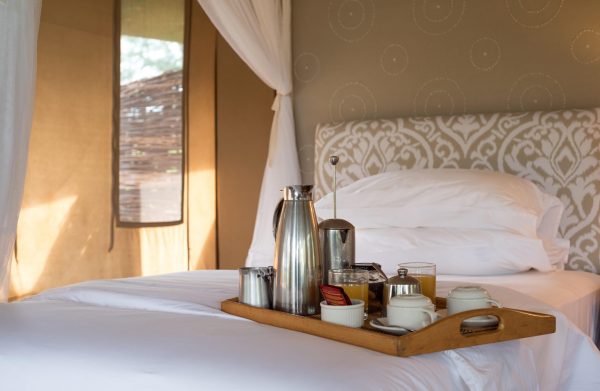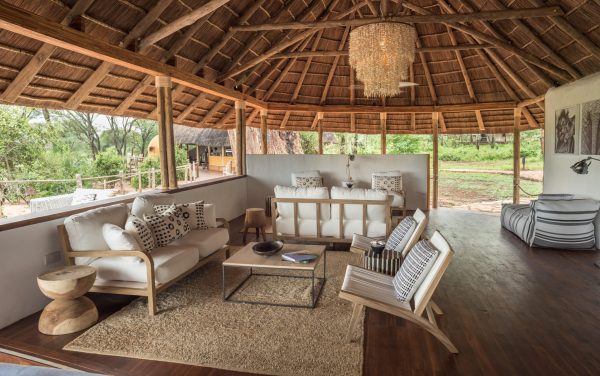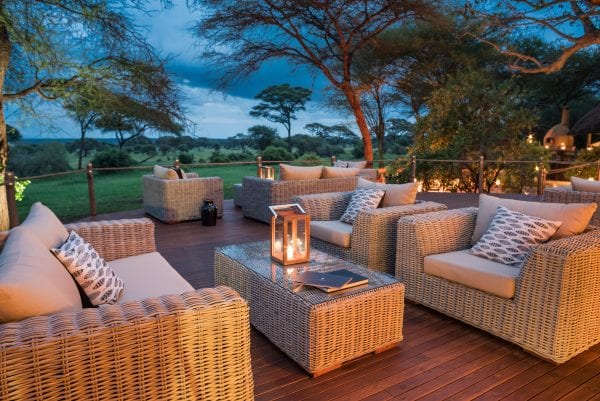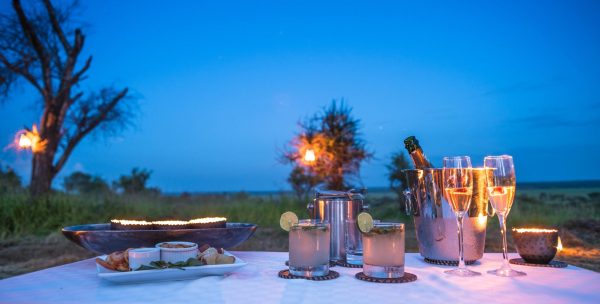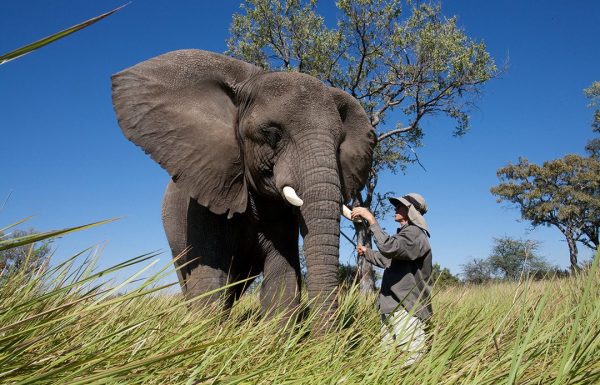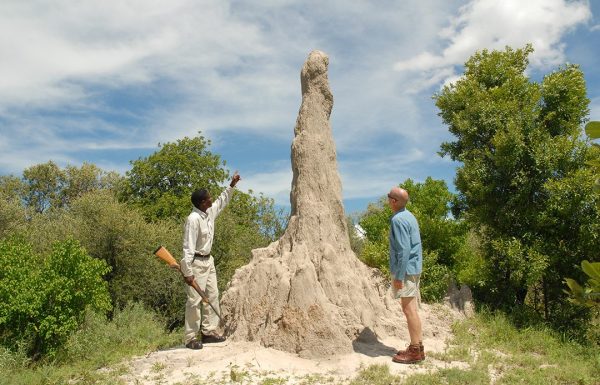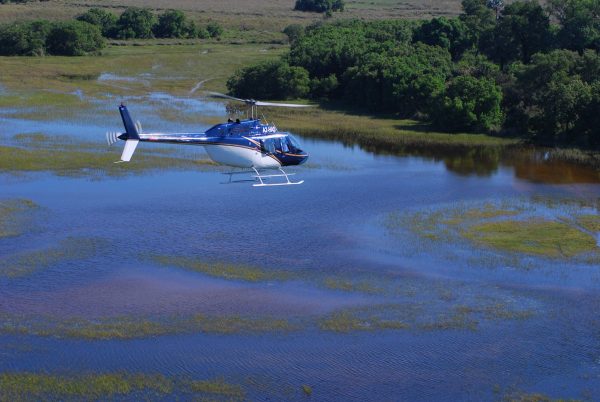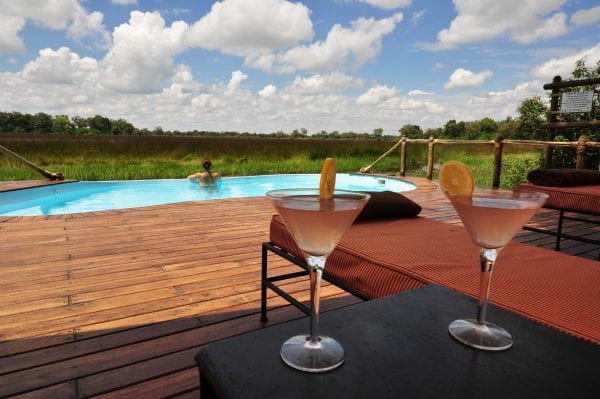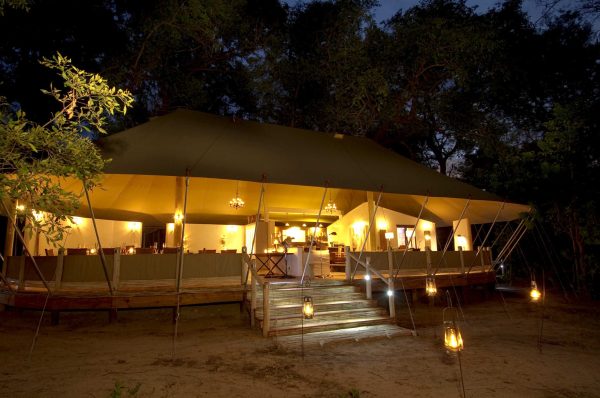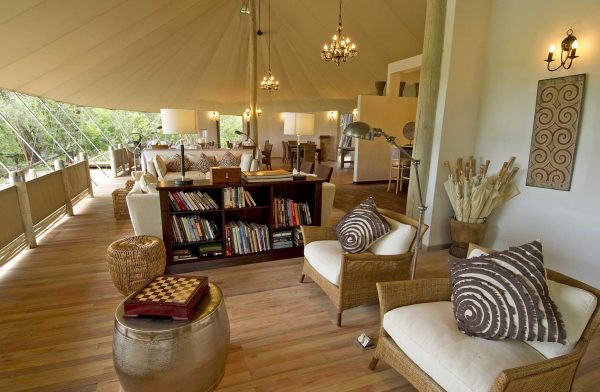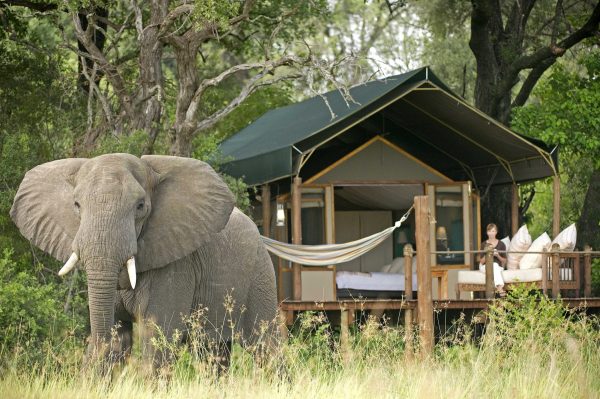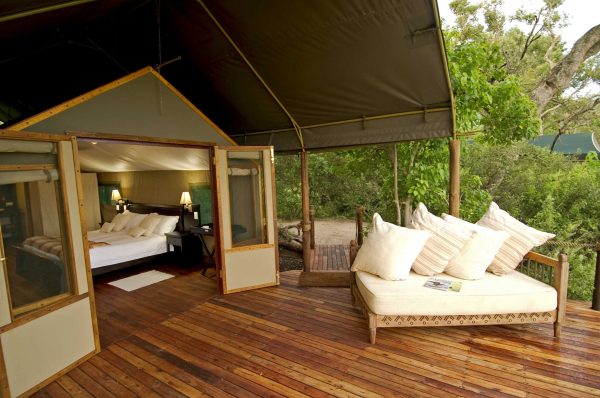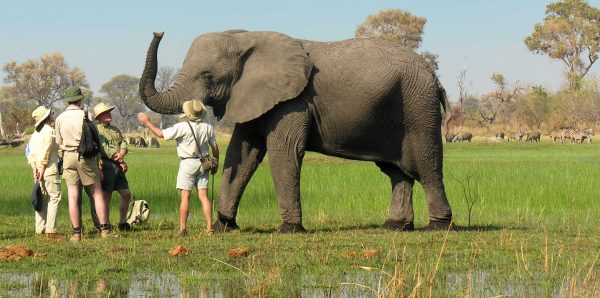
A country with epic topography, Tanzania is a wilderness and wildlife extravaganza. This vast and sparsely-populated country hosts some of the greatest wildlife experiences on Earth. From the snow-capped summit of Mount Kilimanjaro to the game-rich Ngorongoro Crater, from the endless plains of the Serengeti to the baobabs of the Tarangire, Tanzania is the safari insider’s hot tip. Boasting 14 national parks and numerous game reserves, this is home to the largest wildlife herds on the African continent, as well as the palm-fringed island of Zanzibar, ideal for post-safari relaxation.
With its incredible diversity of landscapes and some of the highest concentrations of wildlife in the world – it’s no surprise that Kenya is where the concept of safari was born. Kenya is home to some of the best national parks and game reserves in Africa with diverse ecosystems, including Amboseli, Tsavo, Samburu and Meru. The jewel in its crown is the Masai Mara, the stage for the annual wildebeest migration when over two million wildebeest and zebra move between the Masai Mara and the Serengeti in Tanzania in search of greener pastures.

Nairobi – Amboseli National Park – Ngorongoro Crater – Serengeti National Park – Masai mara National Park
You will arrive at Jomo Kenyatta International Airport, clear customs and immigration before moving to the arrivals lounge where you will meet your Guardian Angel and driver and transfer to your Nairobi hotel.
Bronze: Era Hotel
Silver: Tamarind Tree Hotel
Gold: Hemingways Nairobi
Nairobi is the largest city between Cairo and Johannesburg. Though just south of the equator, it enjoys a spring-like climate. It is a modern city, yet its main avenues blaze with colour from tropical bushes and vines. Shopping in Nairobi varies from African clothing and craft shops to bazaar stalls and open-air markets where souvenir hunters find bargains ranging from woodcarvings to Persian carpets.
Bronze: OI Tukai Lodge – Breakfast, lunch & dinner included
Silver: Tortillis Camp – Breakfast, lunch & dinner included
Gold: Tawi Lodge – Breakfast, lunch & dinner included
Amboseli National Park, at the foot of Africa’s highest mountain Kilimanjaro, is one of the most popular of all Kenya’s national parks. The snow-capped peak of Mount Kilimanjaro rising above a saucer of clouds dominates every aspect of the park. The snows of Kilimanjaro, white and crystalline, also form a backdrop to one of Kenya’s most spectacular displays of wildlife – lion, elephant, leopard, rhino, cheetah, buffalo and a host of plains game and the combination makes the park a photographer’s paradise.
After breakfast, you will head out to explore Amboseli on morning and afternoon game drives, returning to the lodge for lunch and a swim in the pool. Amboseli is famous for its large herds of elephants and game drives in their private vehicle provide the perfect opportunity to capture that once in a lifetime photo with Kilimanjaro in the background and a herd of elephants in the foreground. You have the opportunity to visit the AKP Safe Water for Schools Initiative in
one of the schools.
Bronze: OI Tukai Lodge – Breakfast, lunch & dinner included
Silver: Tortillas Camp – Breakfast, lunch & dinner included
Gold: Tawi Lodge – Breakfast, lunch & dinner included
After a leisurely breakfast, you will drive to Namanga, the Kenya and Tanzania border. Here, you will bid a fond farewell to your Kenyan driver guide and meet your Tanzanian driver guide waiting with your private vehicle. Once you have been assisted through customs and immigration, you will drive to the Ngorongoro Highlands with packed lunch boxes.
Bronze: Marera Mountain Lodge – Breakfast, lunch & dinner included
Silver: Acacia Farm Lodge – Breakfast, lunch & dinner included
Gold: Sanctuary Ngorongoro Crater Camp – Breakfast, lunch, dinner & limited beverages included
Your game drive today will be like no other, as you visit one of the most dramatic safari destinations in Africa: the Ngorongoro Crater – known as the Garden of Eden & the best place to see black rhino in Tanzania. Descend to the crater floor in search of the Big Five with the backdrop of the forest covered crater walls surrounding you, creating a stunning canvas for all your wildlife photographs.
Bronze: Marera Mountain Lodge – Breakfast, lunch & dinner included
Silver: Acacia Farm Lodge – Breakfast, lunch & dinner included
Gold: Sanctuary Ngorongoro Crater Camp – Breakfast, lunch, dinner & limited beverages included
Bronze: Drive to the Serengeti National Park in the morning. Enjoy a picnic lunch on the way to maximise the time in the park.
Silver & Gold: Drive when camp is in the south and fly when in the north. Enjoy the ever changing land-scape below. One of the world’s last great wildlife refuges, the Serengeti contains about three million large animals, many of them taking part in seasonal migrations, unparalleled in nature.
Bronze: Sametu Serengeti Camp – Breakfast, lunch & dinner included
Silver: Lemala Mara/Ndutu Tented Camp – Breakfast, lunch & dinner included
Gold: Sanctuary Kichakani – Breakfast, lunch, dinner & limited beverages included
Today, you have the full day to explore the vast plains of this magnificent wilderness. You can choose to head out with a picnic lunch to maximize your day or come back to the camp for lunch and an afternoon siesta before heading out again on an afternoon game drive.
Bronze: Sametu Serengeti Camp – Breakfast, lunch & dinner included
Silver: Lemala Mara/Ndutu Tented Camp – Breakfast, lunch & dinner included
Gold: Sanctuary Kichakani – Breakfast, lunch, dinner & limited beverages included
After breakfast, you will bid farewell to Tanzania and catch a flight back into Kenya and land in the Masai Mara Game Reserve; the final stop on this incredible adventure. On arrival you will be collected in a camp/lodge vehicle and taken to camp with a game drive en-route.
Bronze: Fig Tree Camp – Breakfast, lunch, dinner & limited beverages included
Silver: OI Seki Hemingways – Breakfast, lunch, dinner & limited beverages included
Gold: Sanctuary Olonana – Breakfast, lunch, dinner & limited beverages included
Today, you will head out on morning and afternoon game drives in the Masai Mara. The jewel in Africa’s crown, Masai Mara is host to the most spectacular array of wildlife.
Bronze: Fig Tree Camp – Breakfast, lunch, dinner & limited beverages included
Silver: OI Seki Hemingways – Breakfast, lunch, dinner & limited beverages included
Gold: Sanctuary Olonana – Breakfast, lunch, dinner & limited beverages included
After a leisurely breakfast, you will fly back to Nairobi. There is time for some quick souvenir shopping if you so wish in the afternoon before being transferred to Jomo Kenyatta International Airport for your flight home.

BEST TIME TO TRAVEL
BEST TIME TO TRAVEL
BEST TIME TO TRAVEL
BEST TIME TO TRAVEL
Tanzania’s currency is the shilling. Notes are issued in denominations of 500, 1000, 2000, 5000 and 10000 shillings. Coins are issued in denominations of 10, 20, 50, 100 and 200 shillings, although the first two are seldom used. The local currency you may need during your stay in Tanzania should be obtained at authorised facilities such as banks and foreign exchange bureaus. US Dollars and British Pounds can also be exchanged at the airport on arrival. It is very difficult to exchange the shilling outside of Tanzania so we recommend that you change only as much as you will need. Major credit cards are accepted at most outlets in Tanzania. At some of our Sanctuary Retreats camps in Tanzania, we accept Visa, MasterCard or Amex, as well as cash.
If you enjoyed your stay with us the guidelines below can be used as a reference. Tipping is a very personal matter and it is not included for staff at our lodges and camps.
Tanzania has a tropical climate which is mainly characterised by warm days and cool evenings. December to March are usually the warmest months of the year, while June to August are the coolest. April and May often see intermittent rains, and from September to November the days are warm with short scattered rains falling in November.
GMT + 3 hours.
Tanzania’s official language is Swahili.
Travellers should check for visa requirements pertaining to their citizenship, as entry requirements vary between countries. All travellers, however, must be in possession of a passport with at least six months of validity left beyond the intended departure date from Tanzania.
For more information on Tanzania travel please visit http://tanzaniatourism.go.tz/en
The Kenyan shilling is divided into 100 cents. Notes are issued in denominations of 50, 100, 200, 500 and 1000 shillings. Coins are issued in denominations of 1, 5, 10, 20 and 40 shillings. 50 cent coins are available, but not commonly used.
The local currency you will need during your stay in Kenya should be obtained at authorised facilities such as banks and foreign exchange bureaus. Currency can also be exchanged at the Nairobi Airport on arrival. It is very difficult to exchange the shilling outside of Kenya so we recommend that you change only as much as you will need. Major credit cards are accepted at most outlets in Kenya. At Sanctuary Olonana we accept Visa, MasterCard or Amex, as well as cash and travellers cheques, and cash at our camp sites.
Tipping is not obligatory general suggestions are as follows: $15 per guest per day for the guide and $15 per guest per day for the rest of the staff.
The climate in Kenya is mainly characterised by warm days and cool evenings. December to March are usually the warmest months of the year, while June to August are the coolest. April and May often see intermittent rains, and from September to November the days are warm with short scattered rains falling in November.
GMT + 3 hours.
Kenya’s official languages are Swahili and English.
The South African immigration department has expressed concern about the growing issue of global child trafficking and announced new requirements for adults travelling with children under the age of 18, which will take effect from 1 June 2015.
Parents travelling with children would now be requested to provide an unabridged birth certificate (including the details of the child’s father as well as the mother) of all travelling children. This applies even when both parents are travelling with their children. When children are travelling with guardians, these adults are required to produce affidavits from parents proving permission for the children to travel. The above applies to foreigners and South Africans travelling to or from South Africa as well as travellers in transit.
For more information on Kenya travel please visit http://ktb.go.ke/
Travellers should check for visa requirements pertaining to their citizenship, as entry requirements vary between countries. All travellers, however, must be in possession of a passport with at least six months of validity left beyond the intended departure date from Kenya.
• Foreign visitors may be required to obtain a visa to enter Kenya.
• Please visit http://www.kenya.visahq.com for a full list of nationalities which require visas for entry into Kenya.
• Passports must be valid for at least 6 months beyond the completion of this trip.
• Please Note that immigration requires you to have two blank pages in your passport per entry; without this you will be denied entry.
• International Departure Tax is required by all passengers departing from Kenya. In most cases the tax is included in your international air ticket. If tax has not been included then it must be paid at the airport prior to departure.
Rates are per person twin or double share.
January & February
Bronze – $10,171 USD
Silver – $14,029 USD
Gold – $16,915 USD
March
Bronze – $9,903 USD
Silver – $11,835 USD
Gold – $16,836 USD
April & May
Bronze – $9,282 USD
Silver – $12,646 USD
June
Broze – $9,550 USD
Silver – $15,169 USD
Gold – $20,637 USD
July, August & September
Bronze – $10,396 USD
Silver – $15,760 USD
Gold – $20,931 USD
October
Bronze – $10,189 USD
Silver – $15,595 USD
Gold – $20,921 USD
November
Bronze – $9,780 USD
Silver – $14,841 USD
Gold – $15,975 USD
December
Bronze – $10,189
Silver – $15,724
Gold – $20,931